

Is Rawhide Actually Safe For Dogs?

Updated: Mar 26
Dog chews are one of the best ways to keep dogs mentally stimulated, relieve boredom, and support dental health. For decades, rawhide chews have been one of the most common options on the market. However, in recent years many vets, trainers, and dog owners have started questioning whether rawhide is as safe as it seems.
In this guide, we’ll explain what rawhide actually is, why it’s controversial, and what healthier alternatives are available for your dog.
What is rawhide made of?
Rawhide is a type of chew made from the inner layer of cow, buffalo, or horse hides, known as the split layer.
This layer is considered a lower-value by-product of the leather industry and is separated when the top grain layer is used to make leather products such as shoes, belts, and bags.

Because the split layer is tough and durable, it becomes a cheap raw material for a variety of products, including rawhide dog chews. However, that does not necessarily mean it is easily digestible or nutritionally beneficial for dogs.
There are four common types of rawhide, each with slightly different risks:
Rolled Rawhide: These chews are made from a single sheet of rawhide rolled into a tube. They represent a moderate blockage risk, as they can unravel while a dog is chewing.
Pressed Rawhide: These are typically made from smaller scraps of rawhide that are glued and pressed together. Because they are brittle, they can sometimes break into hard chunks, which may increase choking risk.
Knotted Bones: One of the most recognisable types, these are made by rolling rawhide sheets and tying knots at each end. As dogs chew, the knots can loosen and sometimes come off in larger pieces, which may pose a higher blockage risk.
Chips & Flakes: These small fragments of rawhide can present the highest choking and blockage risk, as they are easy for dogs to swallow whole without chewing thoroughly.

While rawhide is often marketed as a natural chew, the manufacturing process is more complex than many dog owners realise. Looking at how it is made helps explain why some experts raise concerns about its safety.
At Alpha Dog Supplies, we focus on natural, air-dried chews that avoid this kind of heavy processing. By keeping ingredients simple and minimally treated, these chews are designed to be both safer and easier for dogs to digest.
How are rawhide dog chews made?
As we know, rawhide begins as a by-product of the leather industry. However, before it reaches the shelves at your local pet shop, it typically goes through a lengthy processing procedure.
The process generally includes the following stages:
Hide Removal at Slaughter: Animal hides are collected during meat processing and sent to leather processing facilities.
Hair Removal: The hides are submerged in sodium sulphide and calcium oxide to strip off any hair and remaining tissue, and to separate the layers.
Bleaching: Next, whitening agents like hydrogen peroxide or bleach may be used to wash the hides, and in some cases, pigments like titanium dioxide are used to give rawhide its bright white appearance.
Softening & Shaping: Sheets of rawhide are softened and then cut, rolled twisted, or moulded into familiar shapes such as sticks, bones, and knots.
Gluing & Binding: Some products are made of single sheets of hide, while others are created by compressing smaller pieces of rawhide together. These pieces may be held together using binders such as gelatine or starch.
Flavour Coating: Many rawhide chews are coated with artificial flavourings such as beef or chicken to simulate natural tastes and make them more appealing to dogs. The chews are then heat-dried until they become hard and shelf-stable.
This processing creates the tough texture that makes rawhide long-lasting. However, when dogs chew on rawhide, it can soften and form thick pieces that may be swallowed. In many cases, this can create a choking hazard or digestive blockage.
Why is rawhide dangerous for dogs?
Vets and animal health experts often warn that rawhide can carry several risks depending on the product quality, the size of the chew, and the way a dog eats it.
One of the most common safety concerns with rawhide is the risk of choking or intestinal blockage.
When dogs chew rawhide, the material softens as it becomes wet with saliva. Instead of breaking down into small digestible pieces, it can turn rubbery and flexible, allowing dogs to tear off large chunks.
Some dogs then swallow these pieces whole rather than chewing them fully.
These larger pieces can become lodged in the throat or travel into the digestive tract where they may cause choking, throat obstruction, and stomach or intestinal blockages.
In severe cases, a blockage may require emergency veterinary treatment or surgery to remove the material.
Dogs that are aggressive chewers or that tend to gulp treats are generally considered to be at higher risk.
Another concern is that rawhide is not easily digested by many dogs.
Because it is made from dense layers of animal hide, rawhide can remain intact in the digestive system for long periods. As it absorbs moisture in the stomach, the material may swell and soften into thick pieces.
This can sometimes lead to digestive upset, including vomiting, stomach pain, diarrhoea, gas or bloating.
While some dogs tolerate rawhide without obvious issues, others may struggle to digest it properly, especially if they swallow large pieces.
The chemical processing used to make rawhide can also raise concerns for some pet owners.

As discussed in the previous section, hides are often treated with chemicals used to remove hair, clean the hide, and give the finished chew a uniform appearance.
Processing standards can vary depending on which country the rawhide is produced in. Lower-quality imports may have less transparency around manufacturing methods, which is why many pet owners prefer chews made with minimal processing.
Lastly, like many animal-based products, rawhide chews are susceptible to bacterial contamination if they are not processed or stored properly.
Because rawhide may be stored for long periods before sale, there is a possibility of contamination with bacteria such as Salmonella or E. coli.
While the risk is relatively low, contamination can affect both dogs and the people handling the chews.
Mixed treat packs, especially seasonal packs sold around Christmas, may present a slightly higher risk if products from multiple suppliers are combined and stored together.
This growing awareness of choking hazards, digestibility problems, and processing concerns is why many dog owners are now exploring natural alternatives to rawhide that are easier to digest and made with simpler ingredients.
Which rawhide chews should you avoid?
Not all rawhide products are created equal. While quality and manufacturing standards can vary widely, certain types of rawhide are generally considered higher risk and are best avoided altogether.
Cheap knotted bones from unknown origins and rawhide chips or flakes can pose a greater risk to dogs, who can easily swallow them whole, increasing the likelihood of choking or internal blockages.

Similarly, brightly coloured, strongly scented, or artificially flavoured options are often treated with bleaching agents, dyes, and flavour coatings that provide no nutritional benefit and can irritate sensitive dogs.
Some rawhide products are labelled as “pet chew only” or “not for consumption.” This wording can indicate that the product is not intended to be fully eaten, which may raise concerns about digestibility and safety.
Which dogs should not have rawhide?
Certain dogs are more likely to experience problems with rawhide and may be better off with safer alternatives.
For example, puppies under six months are still learning how to chew properly and are more likely to bite off and swallow large pieces. Their digestive systems are also more sensitive.
Aggressive chewers and dogs who swallow pieces whole can also risk breaking rawhide into large chunks quickly, increasing the risk of choking or blockages. Similarly, if your dog is prone to digestive upset, rawhide may increase the chances of vomiting, diarrhoea, or discomfort.
Some specific breeds are also more prone to choking in general. Flat-faced breeds such as French Bulldogs, Pugs, and Bulldogs, as well as smaller breeds like Yorkshire Terriers, may have a higher risk of choking due to their anatomy and chewing habits.
Best natural alternatives to rawhide?
Given these risks, many dog owners are now choosing natural, minimally processed chews that are safer, more digestible, and still satisfy a dog’s natural urge to chew.
The key difference is that these alternatives are typically air-dried rather than chemically processed, making them easier on your dog’s stomach and reducing the risk of blockages.

At Alpha Dog Supplies, we specialise in natural dog chews that are air-dried, fully digestible, and carefully selected based on chewing strength and safety.
Below is a simple way to choose the right type of chew based on your dog’s chewing style.
Crunchy, quick treats
Ideal for puppies, seniors, and light chewers
These are lighter, crisp chews that break down easily and are fully digestible. They’re great for dogs who don’t need long-lasting chews or who are still developing their chewing habits.
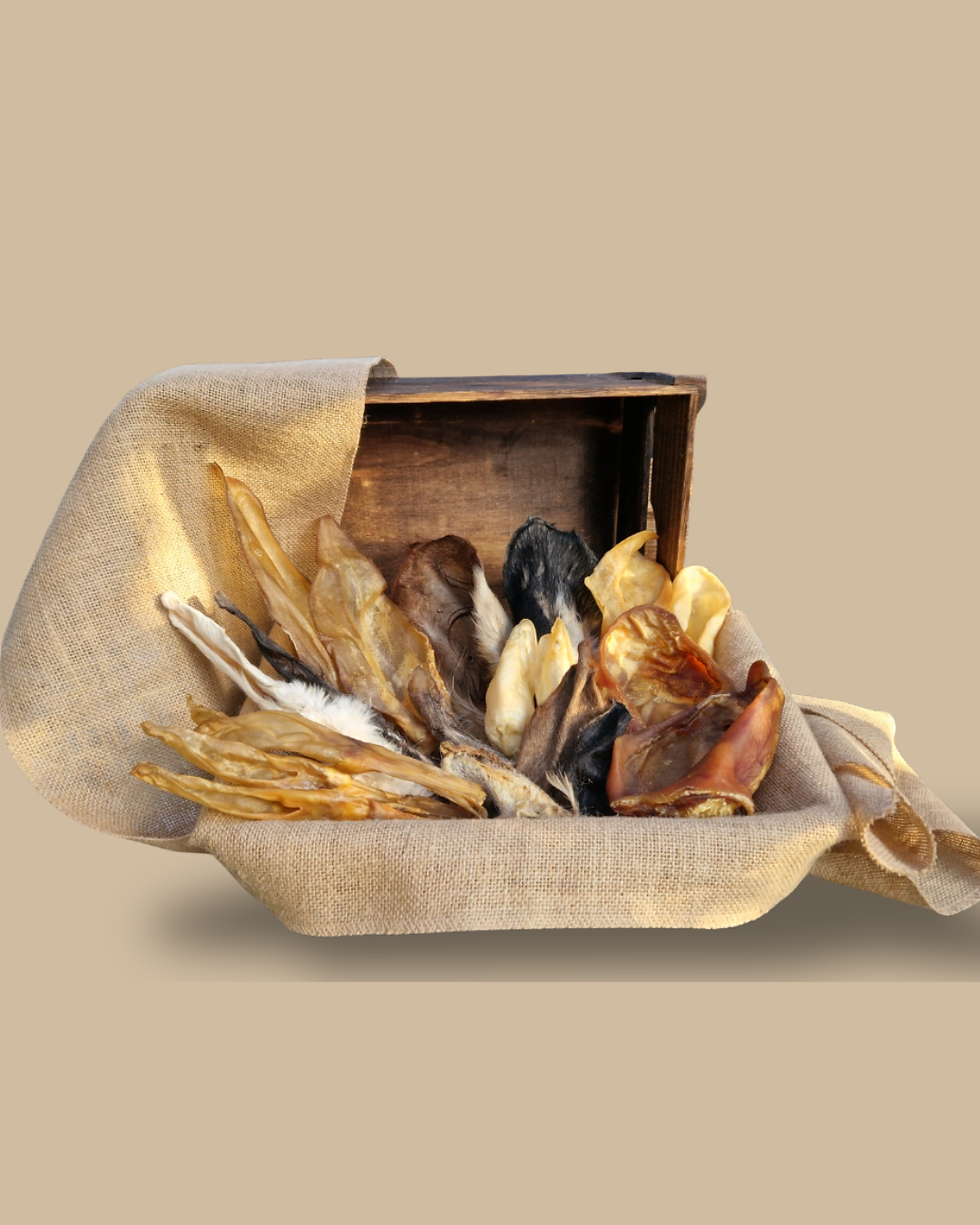
Examples include rabbit ears, sprats, duck necks, lamb ears, and pig snouts. These options are typically low in fat, high in natural nutrients, and easy for most dogs to handle safely.
Medium strength chews
Good for regular chewers
These chews last longer than crunchy treats but still soften gradually as your dog works through them, reducing the risk of large hard pieces breaking off.
Popular options include pig ears, beef tendons, rabbit skins, plain cow ears, and beef trachea. These are a great middle ground, offering durability without the same risks associated with rawhide.
Hard chews
For strong and aggressive chewers
For dogs that need something more long-lasting, harder natural chews can provide extended chewing time while still being digestible.
Examples include cow hooves, sow ears, dense collagen sticks, and deer antlers. These chews are tough and long-lasting, but unlike rawhide, they are designed to soften gradually rather than turning rubbery, making them a safer option when given appropriately.
The natural chews in these three categories offer several advantages over rawhide.
They break down more easily in the stomach, they are typically air-dried rather than chemically treated, they contain no hidden binding agents or glues, and they represent an overall lower choking risk when matched correctly to your dog’s size and chewing style.
Conclusion
Choosing the right chew ultimately comes down to your individual dog. By selecting natural options suited to their size, age, and chewing behaviour, you can provide all the benefits of chewing without the same level of risk associated with rawhide.
At Alpha Dog Supplies, we focus on natural, air-dried chews that are carefully chosen for their quality, digestibility, and safety, helping you find the right option for your dog with confidence.
Explore our full range of natural dog chews here.

Comments